Innovation is felt most in the moments that truly matter
Relocation is where mobility becomes tangible. Innovation is defined by people’s experiences, not just by how it is designed.
This is why innovation in relocation cannot be defined by systems alone. It is shaped by how people are supported on the ground, how partners operate, and how well everything comes together at the crucial moment. It is not about what sits behind the programme, but what is felt within it.

Relocation is where experience defines success
For global talent, relocation is not a process. It is a life event. It carries emotional, practical, and professional weight, often all at once. Every interaction, every decision, and every delay is felt directly.
In this context, innovation is about experience. How supported someone feels, how clearly things are communicated, and how smoothly their transition unfolds. As explored by organisations like Great Place to Work, employee experience is directly linked to performance, trust, and long-term engagement. Relocation is one of the most critical moments within that experience.
Partners are the frontline of mobility
While programmes may be designed centrally, relocation is delivered locally. Partner networks, consultants, and on-the-ground teams interact directly with individuals and families.
This is where innovation often goes unnoticed. It sits in how partners communicate, how they respond, and how they adapt to individual needs. Research from PwC consistently highlights that organisations delivering strong employee experiences rely on aligned ecosystems, not just internal structures. In mobility, that ecosystem includes every partner involved in delivery.
Accountability transforms everything
One of the most overlooked aspects of relocation is accountability. With multiple stakeholders involved, responsibility can easily become fragmented. This creates gaps in communication, inconsistent experiences, and unwarranted complexity.
A single point of accountability changes this dynamic. It provides clarity, alignment, and continuity. It ensures that both the client and individual know who is responsible and that decisions are made with full awareness. While it may not always be labelled as innovation, for many organisations, it fundamentally transforms the relocation experience. Learn more about this approach here.

Innovation occurs in delivery, not just design
Relocation programmes are often well-crafted. Policies are set, processes mapped, and systems established. However, the real challenge lies in delivery.
Innovation appears in how those plans are executed. How issues are managed, expectations are set, and the experience is consistently delivered across locations and partners. It may not be visible at the planning stage, but it is always felt during execution.
Innovation is what your people actually experience
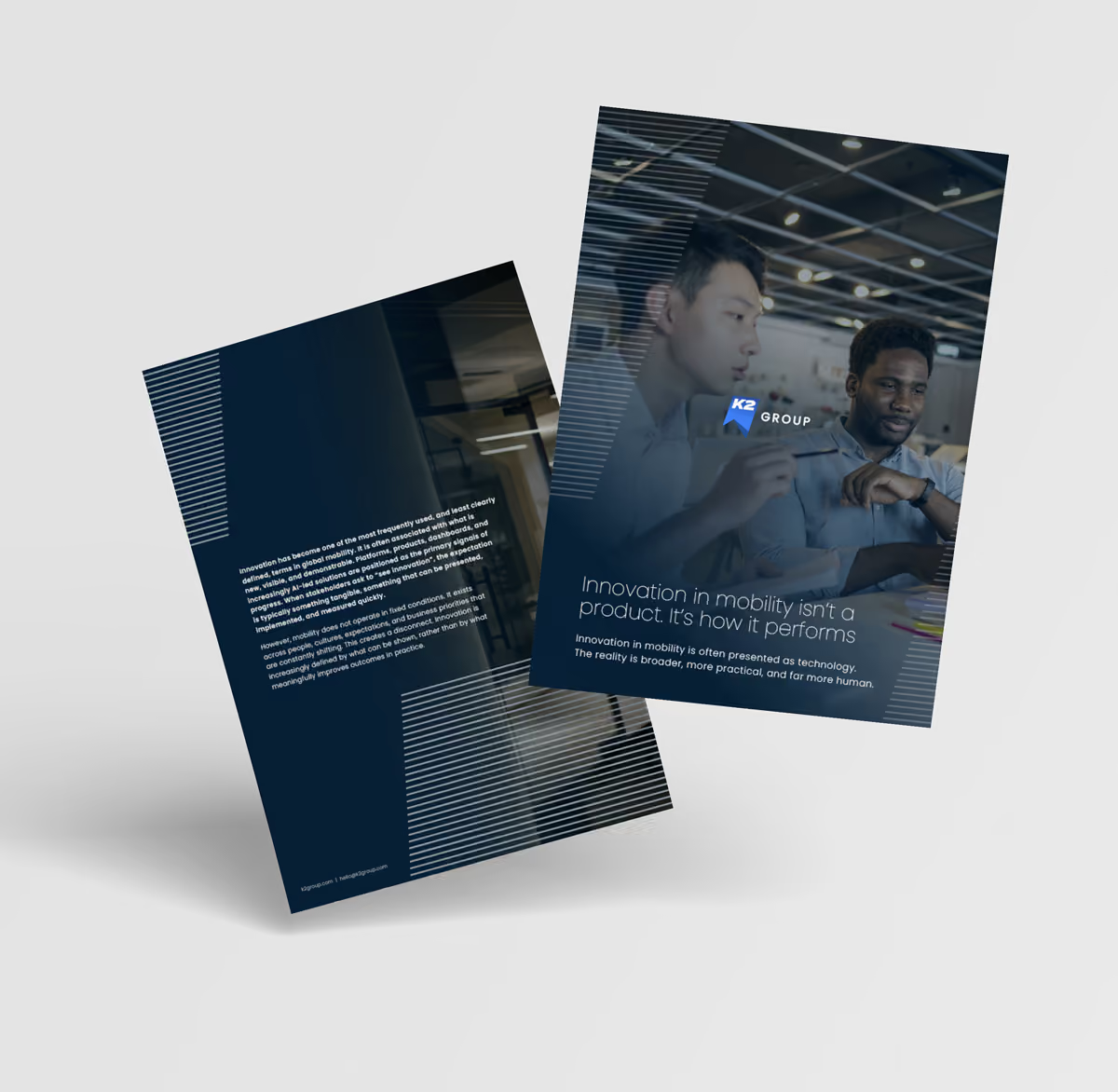
Relocation turns mobility into a personal journey. It determines programme success, not by intentions but by actual delivery. To explore this further, access our full research paper via K2 Group. It offers a broader view on how innovation is being integrated across mobility, especially at the point of delivery.
If you wish to explore how relocation is experienced within your programme, connect with the K2 Relocate team. You can also share your insights on our LinkedIn article, or stay updated through our K2 Group Collective newsletter.